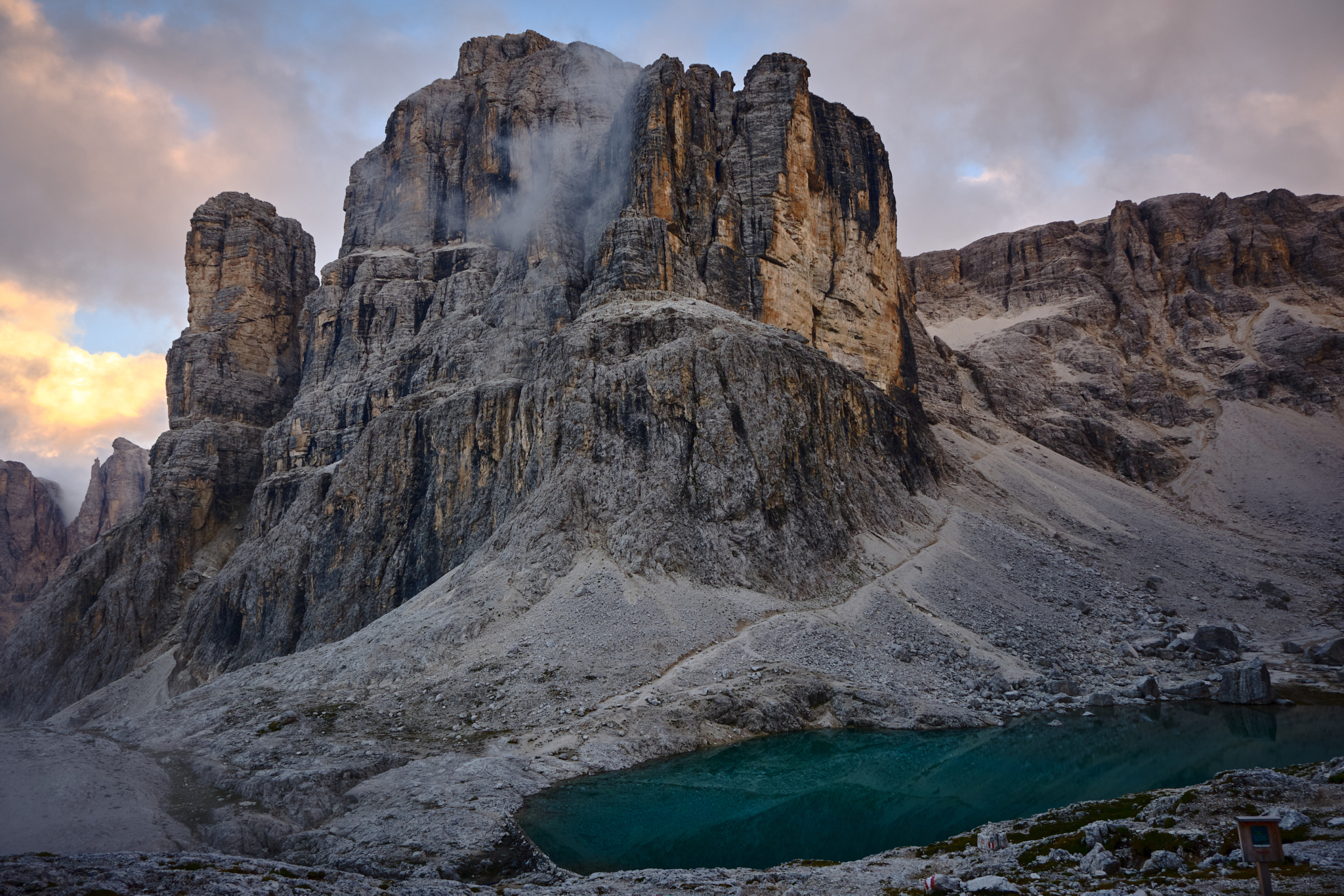
 After hiking the Alta Via 2 for 8 days, here’s what I would recommend:
- Do visit the Dolomites. Even if it’s not to do the Alta Via 2, they are stunning mountains worth seeing. The people are super nice. No one will make you feel bad for not speaking Italian! I’ve hiked in a lot of places and this is one of the very few where I really get why it is so popular. It is actually very stunning.
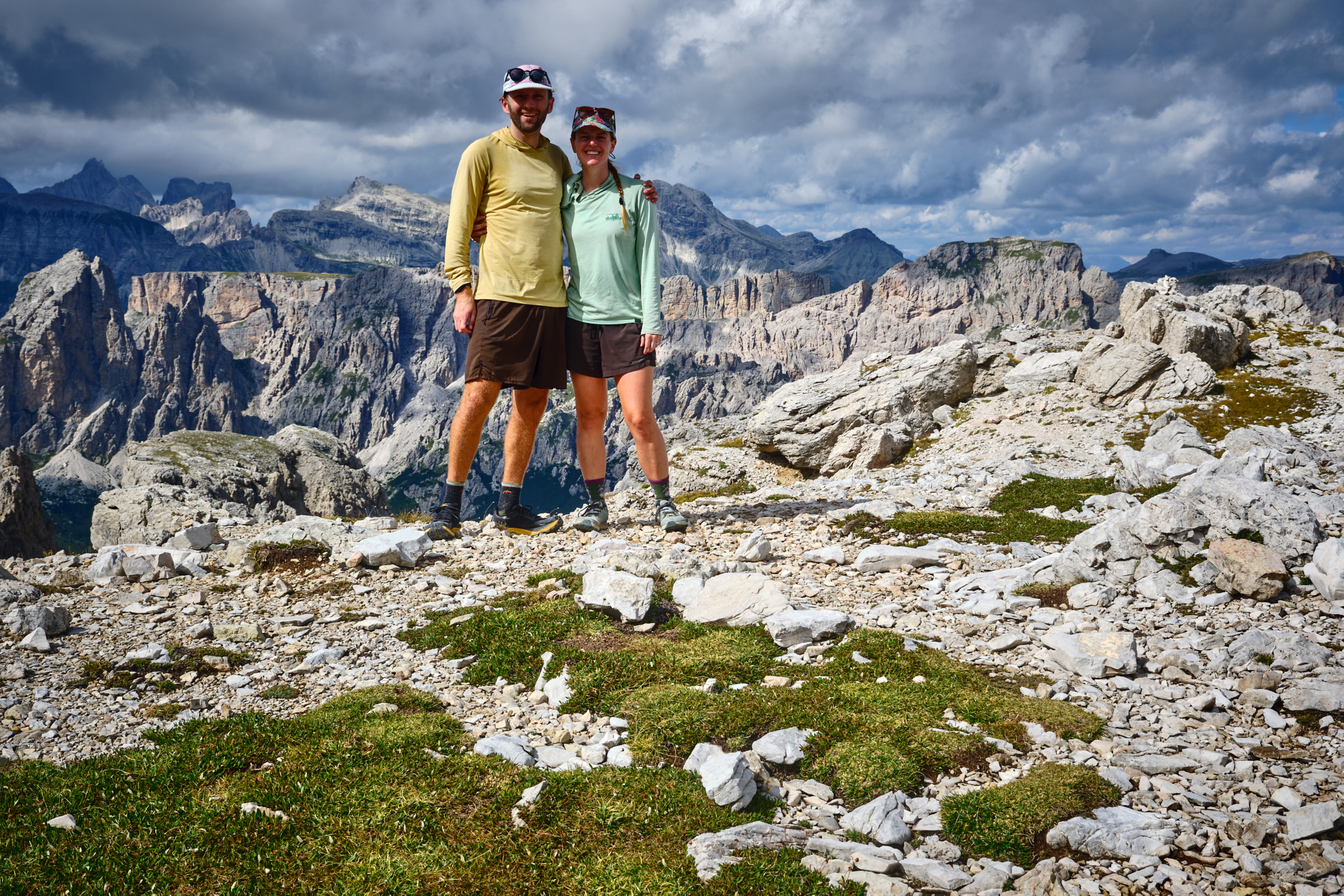
- Budget at least €100/person/day for the hike alone. So for 8 days, expect to spend €800/person. This does not include transportation to/from the AV2. The standard itinerary is about 13 days, which would run you about €1,300/person. You need to arrive at each hut by 18:00 in order to get dinner, so you do not have all available daylight to you for hiking. Expect to pay around €75/night for half board in the huts, another €20 for lunch, and at least €5 on drinks at dinner. I would be more comfortable recommending €120/person/day.
- Book huts as far in advance as you can. We booked everything in March for our trip in late August and that was almost too late, but thankfully not too late. You’ll end up emailing a bunch of them. It’s really not so bad. I found this website helpful for listing at least the names of all the huts, even if the contact information was out of date.1 Refugio Volpi al Mulaz has an online booking that showed no availability, however when we emailed, they did have availability. This might be fixed by the time you hike, but new challenges might present themselves.
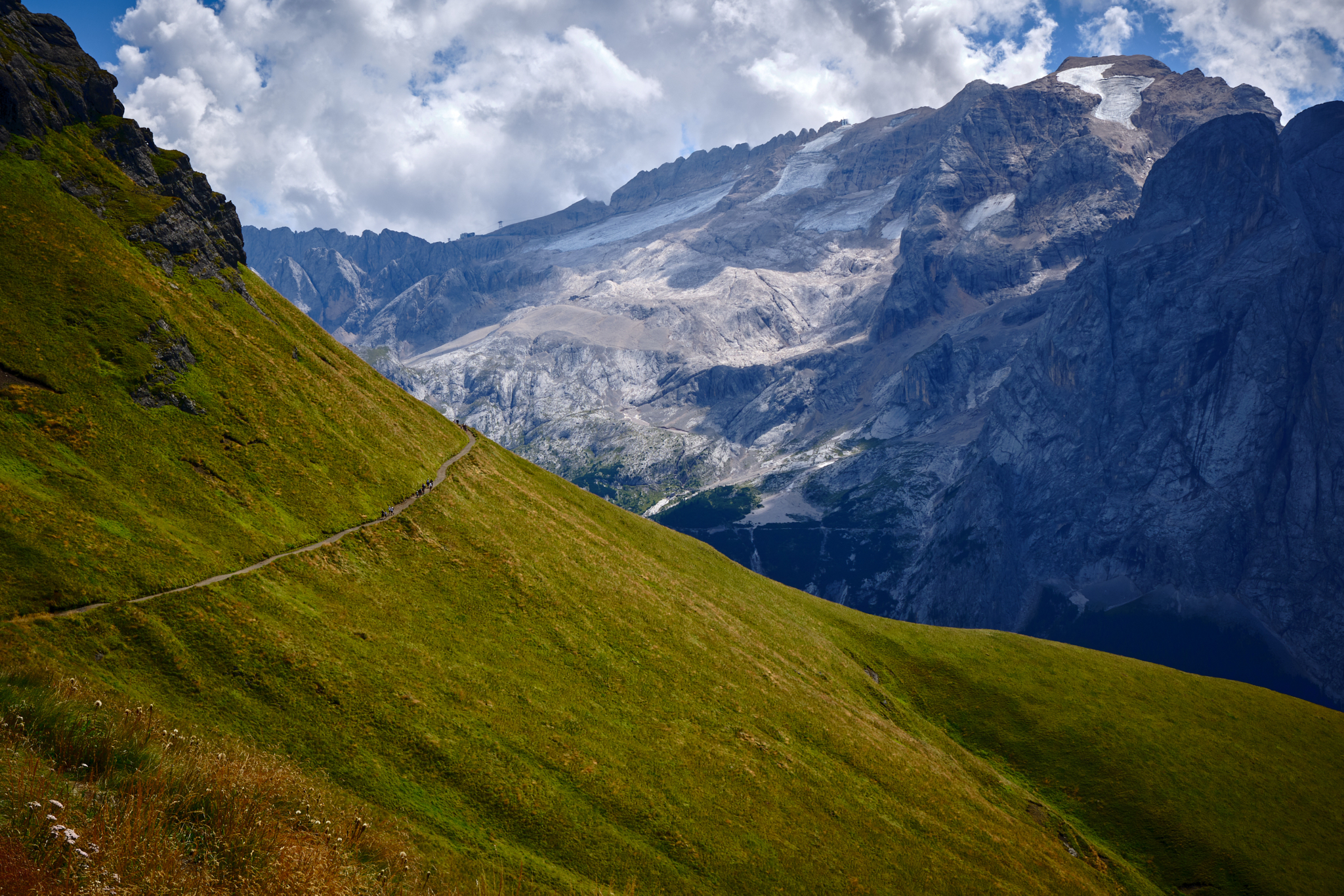
- Use traileasy to get the GPX file. Specifically look for one that avoids going over Marmolada. This is a mistake our friends made and we almost made. You can see the full itinerary we did on traileasy, here. If you just look up “AV2 gpx” online, you’re likely to come across one that goes over Marmolada. Everything else in the file is likely correct though. If traileasy is still available and free, it’s an excellent planning tool for this.
- If you’re young and an experienced hiker, you will likely not need via ferrata gear. We didn’t. It might have been useful in adverse weather, but even still, we likely would have been fine. We had one day of rain and nothing technical that day. The via ferrata gear seems mostly designed to help people deal with some moderate exposure.
- Bring a water filter. A bunch of huts don’t have potable water, so you’ll end up paying a bunch for bottled water otherwise, both when you arrive and when you depart.
- Bring work/gardening gloves. Best €4 purchase we made ahead of this hike. You’ll use them to scramble up rocks and pull yourself up some of the cables.
- Pack snacks. Otherwise, you’ll end up paying a lot for them or going hungry.
- Expect low quality food from the Refugios. Also, if you have big days, expect to be at a caloric deficit. Initially, I thought this would be the one hike I might gain weight on. I ended up losing weight for sure.
- If you have luggage that you don’t want to take with you, I’d highly recommend the Italian postal service. This only works if you can get a box that will fit all your stuff and if you have some place at the end that will hold it. Our AirBnB host in Feltre offered to hold our boxes for us, which was great. I think we paid about €30 to ship 2 boxes, weighing 20kg in total. We mailed the boxes from Verona to Feltre. Definitely wait until you’re in-country to mail your stuff to the end if you choose to do this, as opposed to mailing it from outside of Italy.
- Pack light. You don’t need a tent, sleeping bag, sleeping pad, pillow, or most meals. You will absolutely need a sleeping bag liner! If you do carry food and the Refugios let you self cater, this might be a good way to get some significant savings. Check the rules of the huts though before you commit to carrying food you can’t eat. We brought just our outfit for hiking and one extra pair of clothes to change into at night. We only showered on days 3 and 4 where hot showers were free/included. You don’t necessarily need boots, particularly if you are experienced. Trail runners were fine for us. We always use trekking poles. I can’t imagine doing this without them, although I’m sure you could. I’d recommend bringing ear plugs for the huts although I only heard snoring on 2 of the nights.
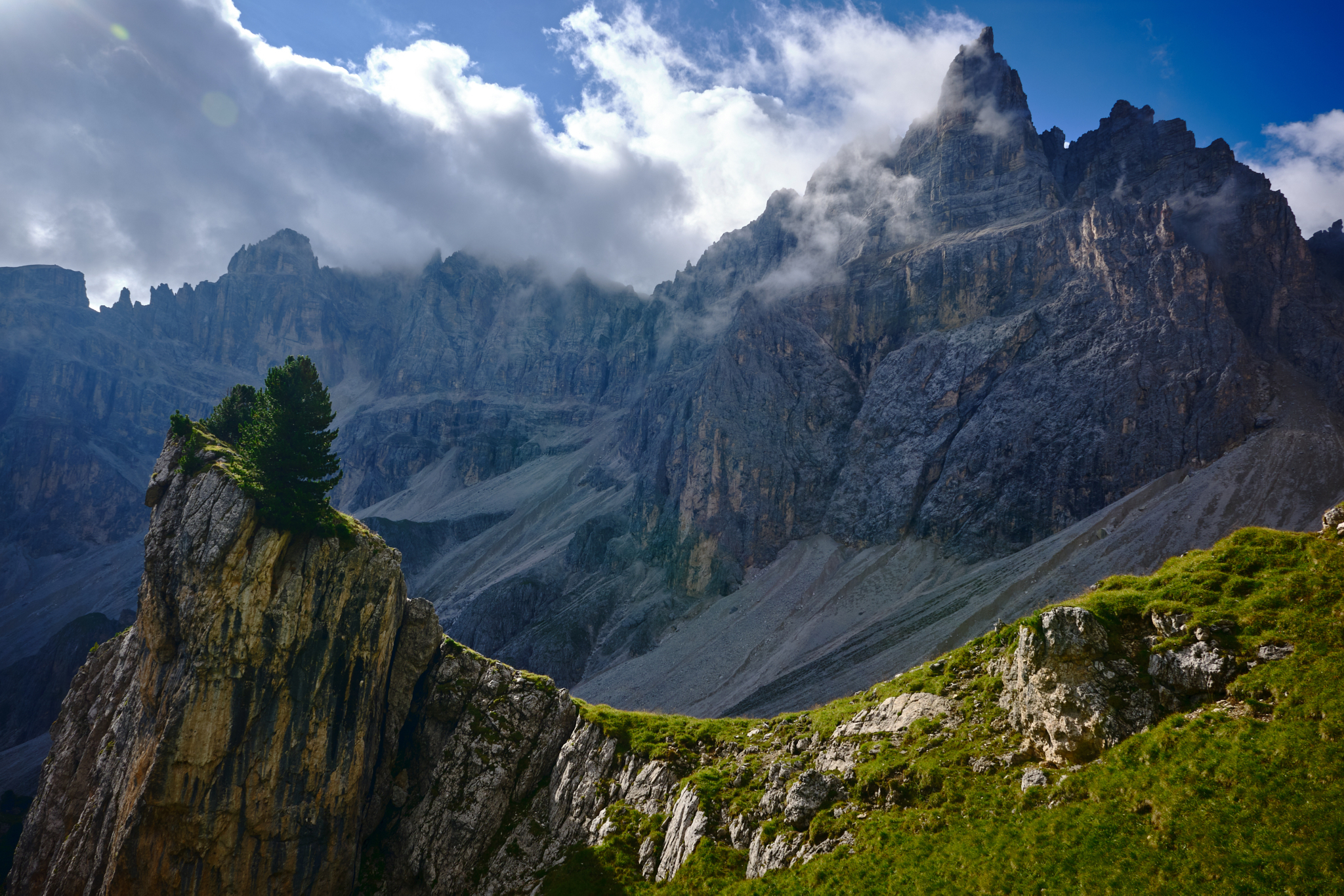 The Dolomites are fairly popular in August and the prices reflect that. 8 days was fine for us. If you’re tempted to go faster to save money, by all means go for it. I think we probably could have done this in 7 days, but any less and we would have been too stressed about missing dinner. We were already a bit pressed for time on days 6 and 7. On the other hand, days 3, 4, and 5 were quite mellow.
One last, minor thing I would change is I wish we would have started and ended during the week, rather than on a weekend. I could have picked pretty much any day to start and trying to figure out transportation, lodging or even grocery stores on the weekends is harder than it is during the week. All of this doesn’t matter when you’re in the middle of your hike as all the Refugios are open 7 days a week. Back in towns though, buses run on reduced schedules and stores are open for shorter hours. Do yourself a favor and do not finish on a Sunday, if possible.
As of publishing, that website is down, for some reason. If it doesn’t come back, just use traileasy, assuming it’s still free. They have even more of the huts listed, I think. It also would be helpful to use traileasy when planning a non-standard itinerary as you can easily see the impact to your days of staying at different Refugios. I wish I had found this website before I manually made my own spreadsheet. ↩︎